Area of Focus:
Economic and Community Development
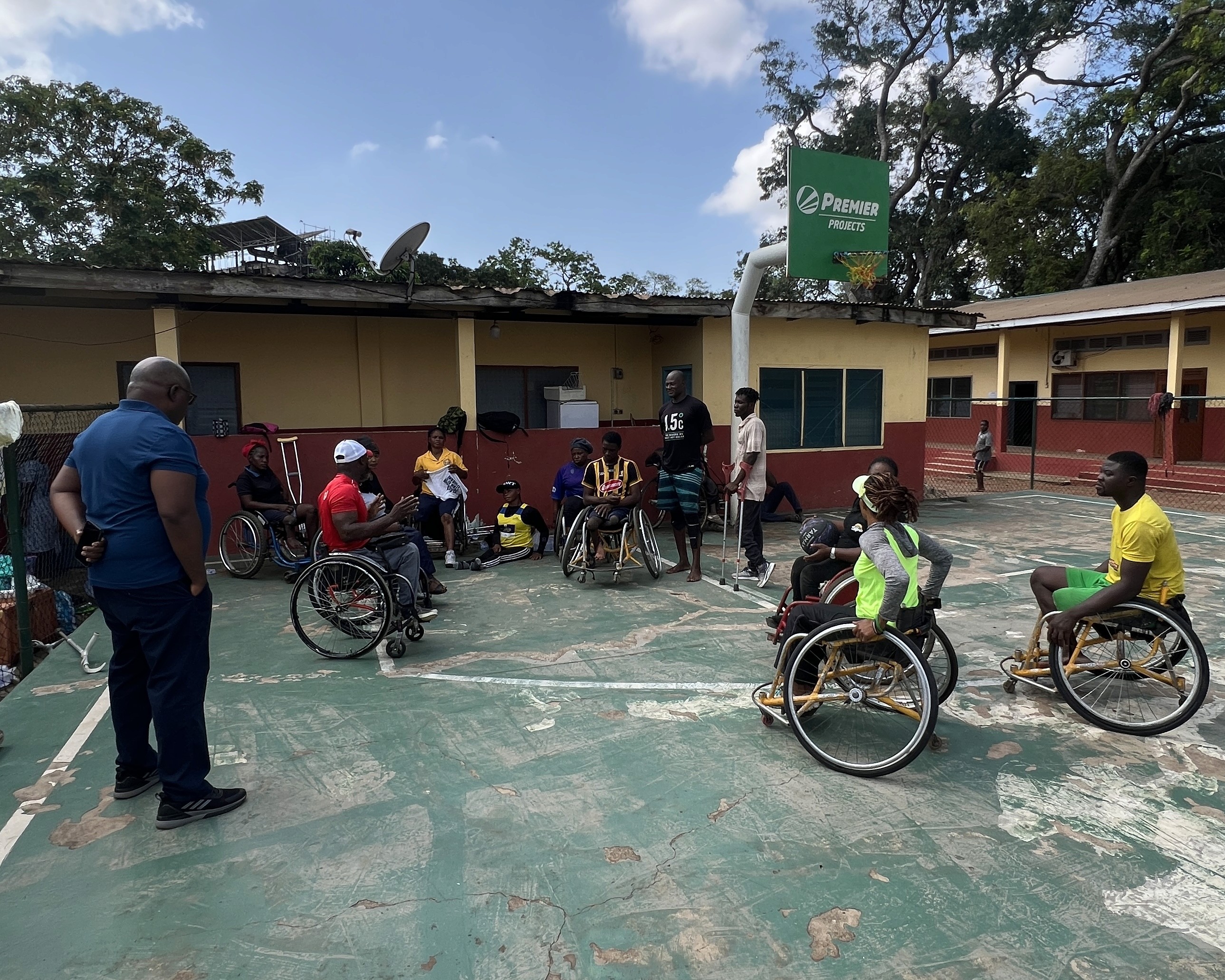
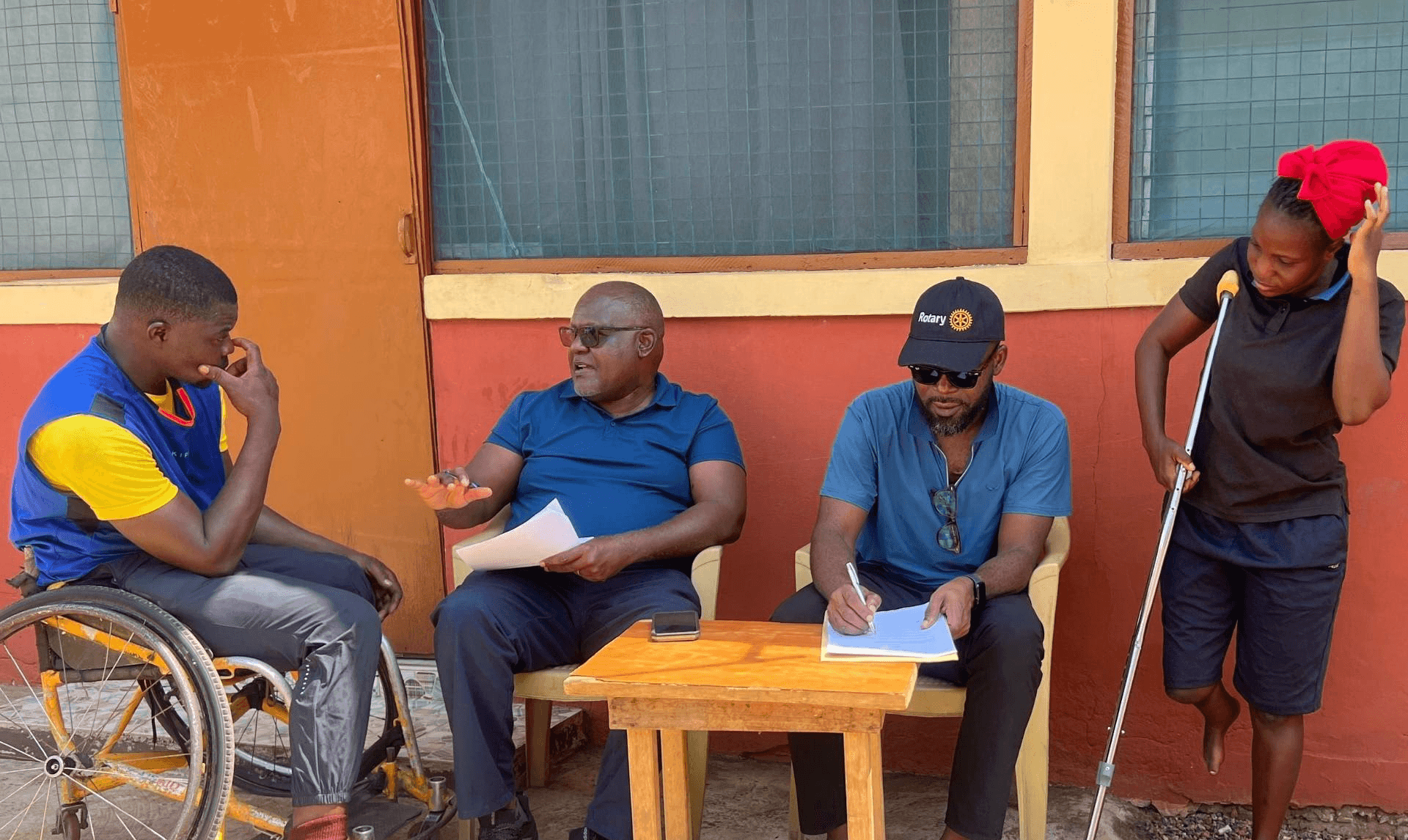
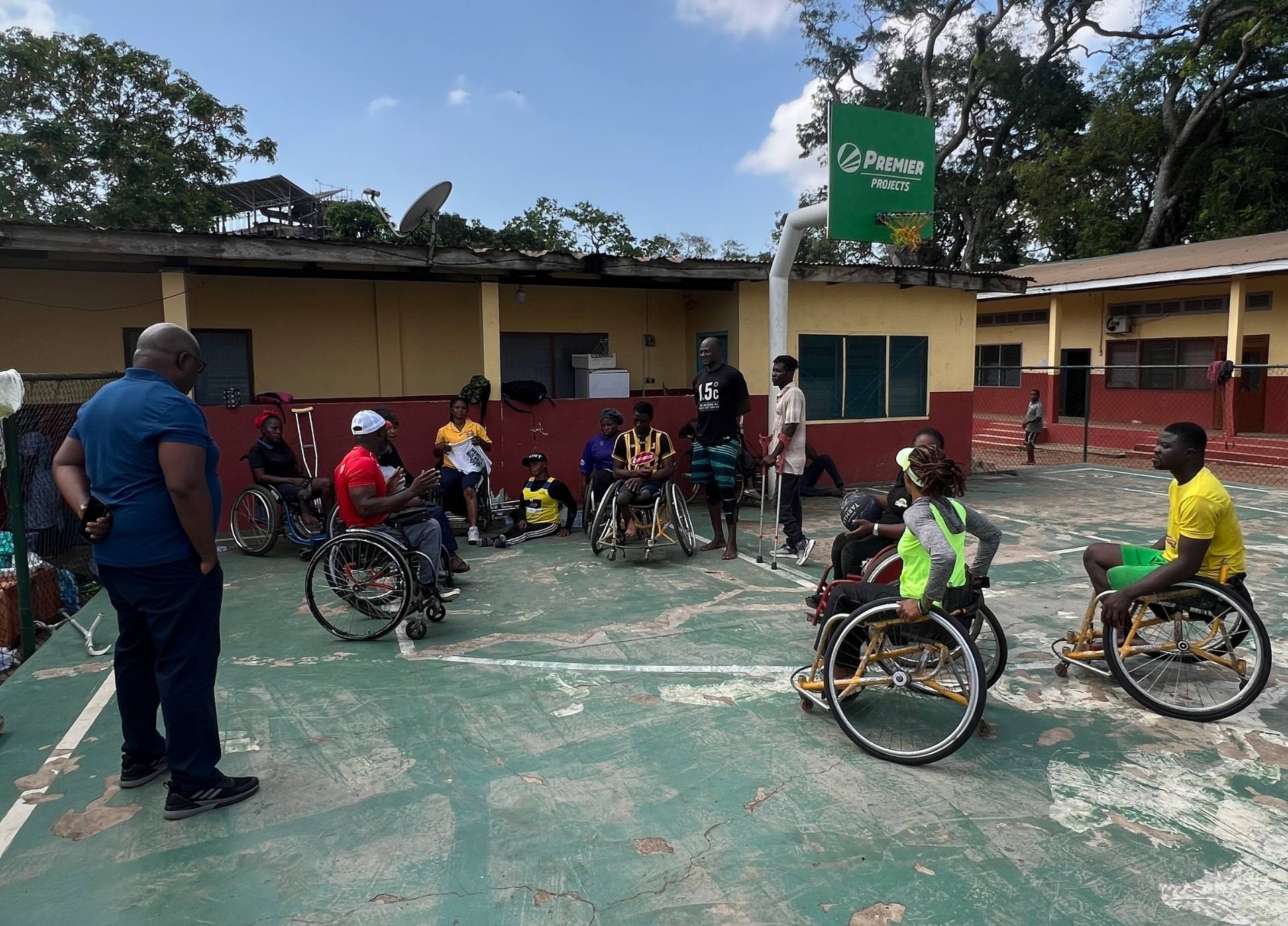
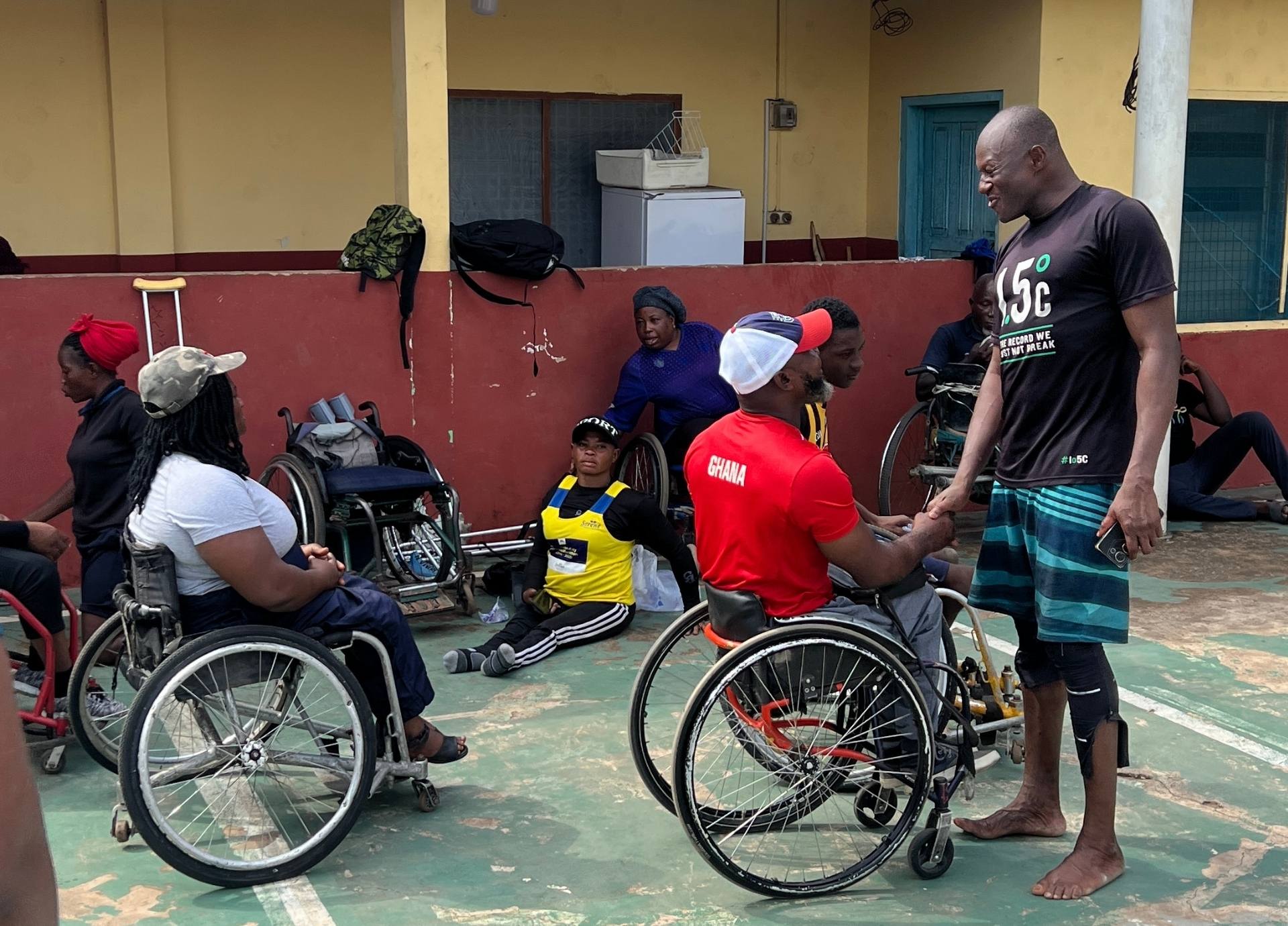
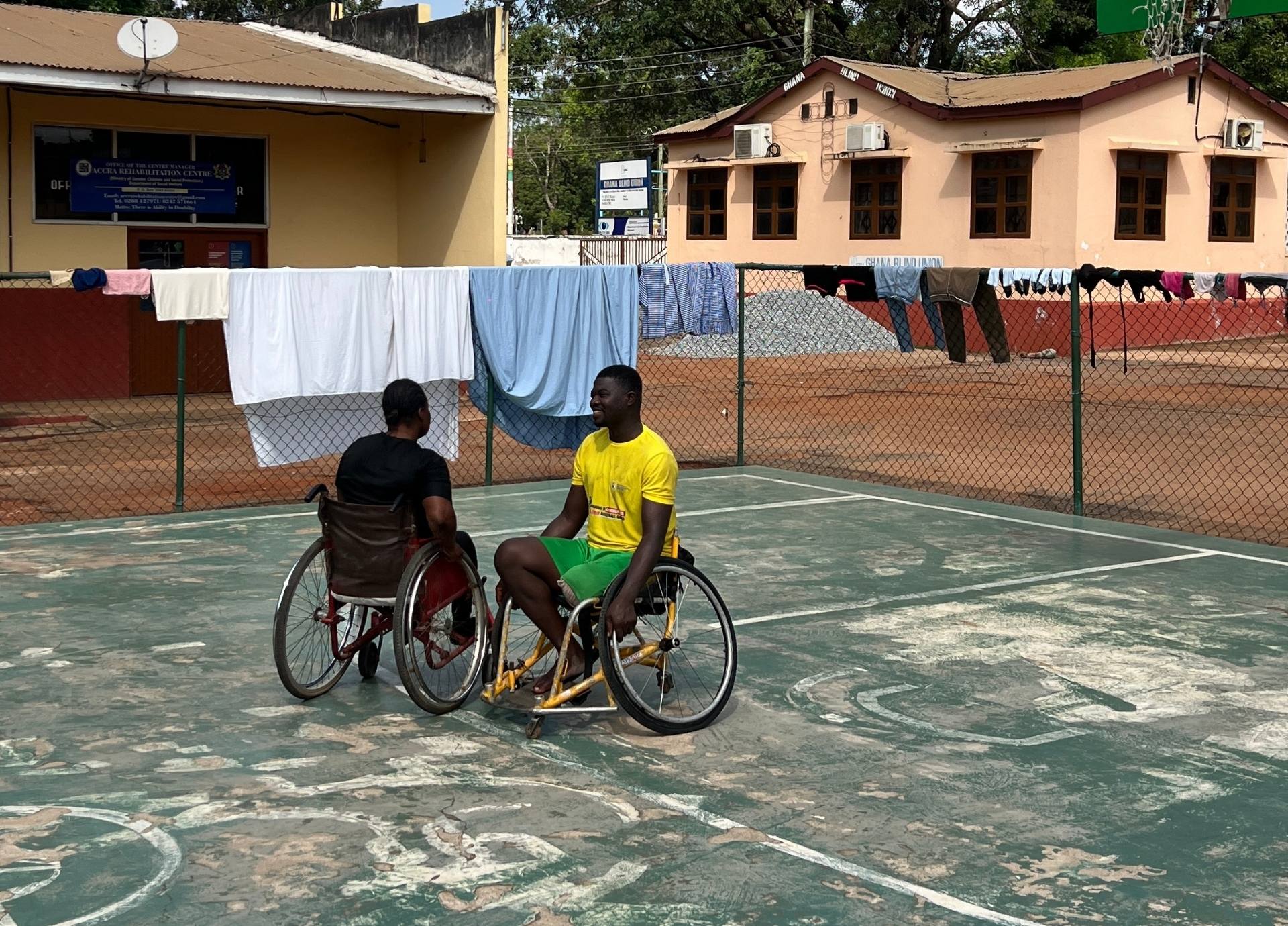
People with disability in Ghana face significant inequities, including poverty, inadequate access to healthcare and high unemployment rates.
Despite the national policies and efforts of advocacy groups to advance the well-being of people living with disabilities in Ghana, they still face stigma, which stems from a lack of understanding about disability, societal attitudes, misconceptions and cultural beliefs. This stigma contributes to the marginalization and exclusion of this group from fully participating in Ghanaian society, resulting in socio-economic challenges.
The Ghana Statistical Service reports from the 2021 census indicate that approximately eight percent (2,098,138 individuals) of the Ghanaian population experience some form of disability, with a higher prevalence among females (8.8%) than males (6.7%).
Ghana has also committed to various international agreements, including the African Decade of Disabled Persons and the Convention on the Rights of Persons with Disabilities, becoming the 119th country in the world to ratify this convention to protect the rights and dignity of people living with disability.
People with disability in Ghana face significant inequities, including poverty, inadequate access to healthcare and high unemployment rates. Societal biases in Ghana that view people with disability as less capable often make them unattractive candidates to potential employers. Additionally, they receive limited educational opportunities and skill development due to insufficient investment in their educational needs and stigmatization in schools.
The Ghana Project on Economic Development for the Disabled (GDEPP)—a signature Global Grant initiative—represents a strategic investment of GH¢537,781.34 ($48,867.00) toward the empowerment of over 80 individuals across various regions of Ghana. Beyond capital, the project leverages the professional expertise of Rotarians and volunteers, who will provide 200+ hours of specialized training in financial literacy, digital marketing, and entrepreneurship. To ensure physical and economic mobility, GDEPP will donate 50 wheelchairs and establish a dedicated maintenance facility, creating a sustainable ecosystem of support for the disabled community.
Role of Partner organizations
Ghana Society of the Physically Disabled (GSPD)
The GSPD is a key organization in Ghana dedicated to advancing the rights and welfare of individuals with physical disabilities. It is a founding member and a crucial part of the Ghana Federation of Disability Organisations (GFD), the national umbrella body for various disability groups in Ghana. They actively engage in advocacy, aiming to influence policy and legislation that promote the inclusion and equal opportunities for persons with disabilities. Their work often involves raising public awareness about disability issues, challenging discrimination, and striving for an accessible and equitable society. They also focus on programs related to rehabilitation, education, and economic empowerment for their members, addressing the specific needs of physically disabled individuals in Ghana.
Read more about GSPD here: http://www.gspdnational.org/
Wheels for Change, Inc.
Wheels for Change, Inc., founded by Paralympian Daniel Romanchuk, is a nonprofit organization focused on shifting societal perspectives about disability through the powerful platform of wheelchair racing. Recognizing both the sport’s transformative potential and the challenges in accessing adaptive sports, Romanchuk’s organization provides crucial support for aspiring wheelchair athletes by offering equipment, training resources, and mentorship. Domestically, Wheels for Change aids athletes through clinics, camps, and an equipment loan program. Internationally, it collaborates with communities, such as a program in Ghana, to supply racing equipment and create accessibility pathways.
The organization’s goal is to foster a more inclusive world by showcasing the athleticism, resilience, and spirit within the disability community, using racing to challenge stereotypes and inspire change.
Read more about wheels for change here: https://wheels-for-change.org/about/
"At the Rotary Club of Accra-South, we view this initiative as a benchmark for future innovation. It is a definitive proof of concept that we can—and will—expand our reach to build truly inclusive solutions for the disabled community." — Klenam Fiadzoe, President 2025/26, Rotary Club of Accra-South.
This project is made possible with the partnership of Rotary Clubs in Rotary District 9104 and 7620, Rotary Clubs of Accra-South, Mt. Airy, Washington DC, Charlotte Hall, Baltimore, Southern Frederick County (Urbana), New Market, Sykesville, Pikesville - Owings Mills, and Districts 9104 and 7620.
Location:
Accra, Greater Accra
Project Status:
TRF Global Grant Approved
Project Amount:
US$48,867.00

Buy Template